
Technical articles and case studies
How to choose a two-way radio based on operational requirements
An introduction to traditional RF two-way radios and LTE/5G TCP/IP-based PoC radios, followed by a breakdown of 14 commercial industry sectors that depend on instant push-to-talk communications.
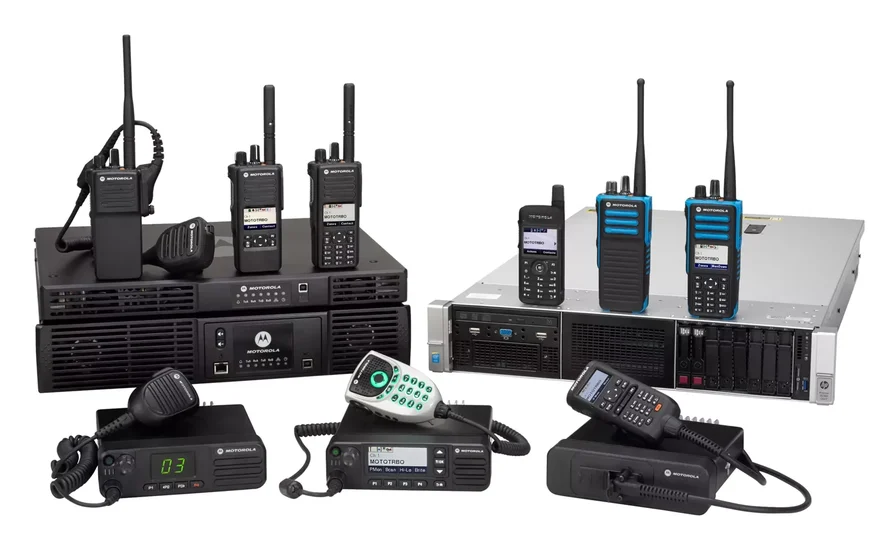
In English, professional handheld and mobile radios are called two-way radios, while walkie-talkie traditionally referred to consumer FRS radios and is now also used casually for conventional handhelds.
Traditional two-way radios transmit directly over radio frequencies. As public LTE and 5G mobile networks have matured, Push-to-Talk over Cellular (PoC) radios running over TCP/IP have also emerged, relying on carrier networks for signal transport. Although the underlying transmission medium differs, both serve the same purpose: providing instant voice communication channels for teams.
WOTO's guiding principle reflects the role of this equipment: a two-way radio is a professional communications tool that helps safeguard lives and property at critical moments. Its defining advantage is immediacy. Both RF two-way radios and LTE/5G TCP/IP-based PoC radios deliver millisecond-level voice transmission. Traditional RF radio stands out in particular because it depends on no external network and continues operating reliably in emergencies and harsh environments.
Commercial two-way radios are used across a wide range of industries.
Commercial two-way radio applications by industry
1. Manufacturing
- Electronics manufacturing (SMT workshops, assembly lines)
- Automotive manufacturing (final assembly, paint shops, quality inspection)
- Machine shops
- Food processing plants
- Chemical plants (including hazardous-material zones)
- Textile and garment factories
- Furniture manufacturing
- Printing and packaging plants
- Pharmaceutical plants (GMP workshops)
2. Construction and engineering
- Building construction
- Municipal engineering
- Road and bridge construction
- Tunnel engineering
- Metro and subway construction
- Hydraulic and water conservancy projects
- Steel-structure engineering
- Interior fit-out and renovation
- Power engineering construction crews
3. Logistics and transport
- Warehousing and logistics centres
- Express parcel sorting hubs
- Freight fleets
- Ports and terminals
- Airport ground handling
- Railway station operations and dispatch
- Bus operators
- Taxi companies
- Container yards and depots
4. Commercial retail
- Shopping centres and department stores
- Supermarket chains (such as Walmart and Yonghui)
- Convenience store chains
- Warehouse clubs (such as Costco and Sam's Club)
- Home-furnishing stores (such as IKEA and Red Star Macalline)
- Apparel stores
- Appliance and electronics stores
5. Hospitality and property services
- Star-rated hotels
- Resorts
- Boutique lodging and homestay groups
- Property management companies
- Office building management
- Cleaning contractors
- Security firms
- Car park management
6. Culture, tourism and entertainment
- Theme parks (such as Disney and Chimelong)
- Amusement parks
- Scenic-area management
- Museums and exhibition halls
- Zoos and aquariums
- Theatres and live concert venues
- Stadiums and arenas
- Convention and exhibition centres (set-up and security)
7. Healthcare
- Hospitals (emergency departments, logistics, security)
- Community health centres
- Medical rescue teams
- Epidemic prevention and control teams
- Medical-device factories
8. Security and emergency response
- Security companies
- Fire brigades (training and logistics)
- Emergency rescue teams
- Urban management enforcement
- Traffic auxiliaries
- Airport security screening
- Railway security screening
9. Education
- University campus security offices
- Primary and secondary school security
- Campus logistics
- Training-venue management
10. Government and public utilities
- Municipal administration
- Park management offices
- Water utilities
- Power utilities
- Gas utilities
- Sanitation departments
- Public transit groups
- Railway bureaus
11. Energy and mining
- Oil extraction
- Natural-gas pipeline inspection
- Coal mines
- Wind farms
- Solar photovoltaic power stations
- Hydroelectric stations
- Nuclear power plants (requiring intrinsically safe radios)
12. Maritime and shipping
- Shipping companies
- Fishing fleets
- Offshore wind operations and maintenance
- Maritime patrols
- Harbour tugboat dispatch
13. Film, television and media
- Film and television production crews
- Commercial production teams
- Live-broadcast crews
- Stage lighting and audio teams
14. Specialised high-demand environments
- Hazardous and explosive atmospheres (chemical plants, oil depots, petrol stations)
- High-noise facilities (steel mills, paper mills)
- Large sites (industrial parks, factory complexes)
- High-rise building construction
- Underground spaces (underground car parks, tunnels)
Choosing between RF and PoC radios
With both traditional RF two-way radios and modern LTE/5G TCP/IP-based PoC radios available, selecting the right platform depends closely on your operating environment and business requirements.