
Technical articles and case studies
When does a two-way radio system need a repeater?
A repeater can extend outdoor coverage or reach indoor dead spots. Antenna height, building construction, call capacity and transmitter power all affect the choice.
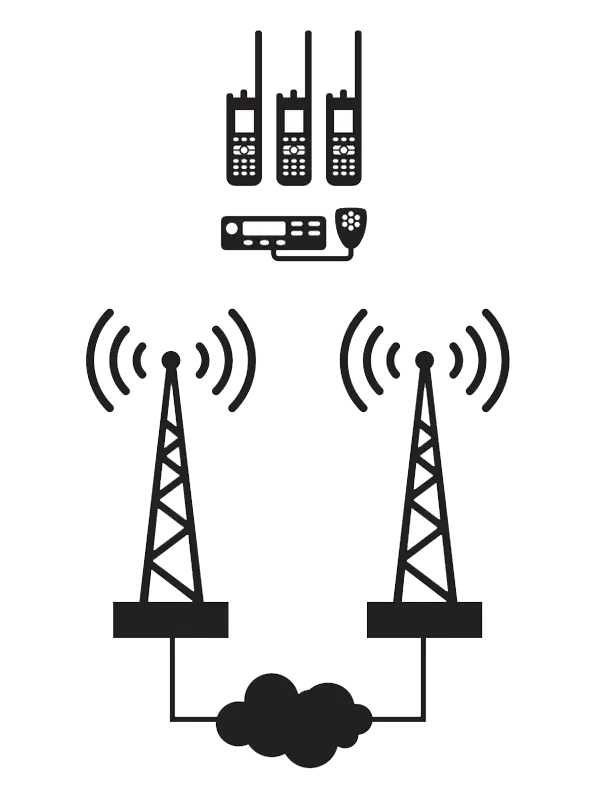
When is a repeater useful?
A portable radio normally transmits or receives at a given moment. A duplex repeater receives on one frequency while retransmitting on another. A hill, rooftop or tower can give the repeater antenna a better path to the portable radios.
For outdoor direct communication, 3–5 km is a rough reference. Terrain, buildings and antenna height affect the actual distance. A well-sited repeater can cover tens of kilometres, or farther in favourable conditions.
Coverage inside buildings
A team might reach the tenth floor from ground level and still lose contact three levels underground. Concrete, steel and fire compartments affect signal paths. Large buildings, shopping centres, factories and ports may need a distributed antenna and feeder system. Size the channel capacity for the number of simultaneous calls.
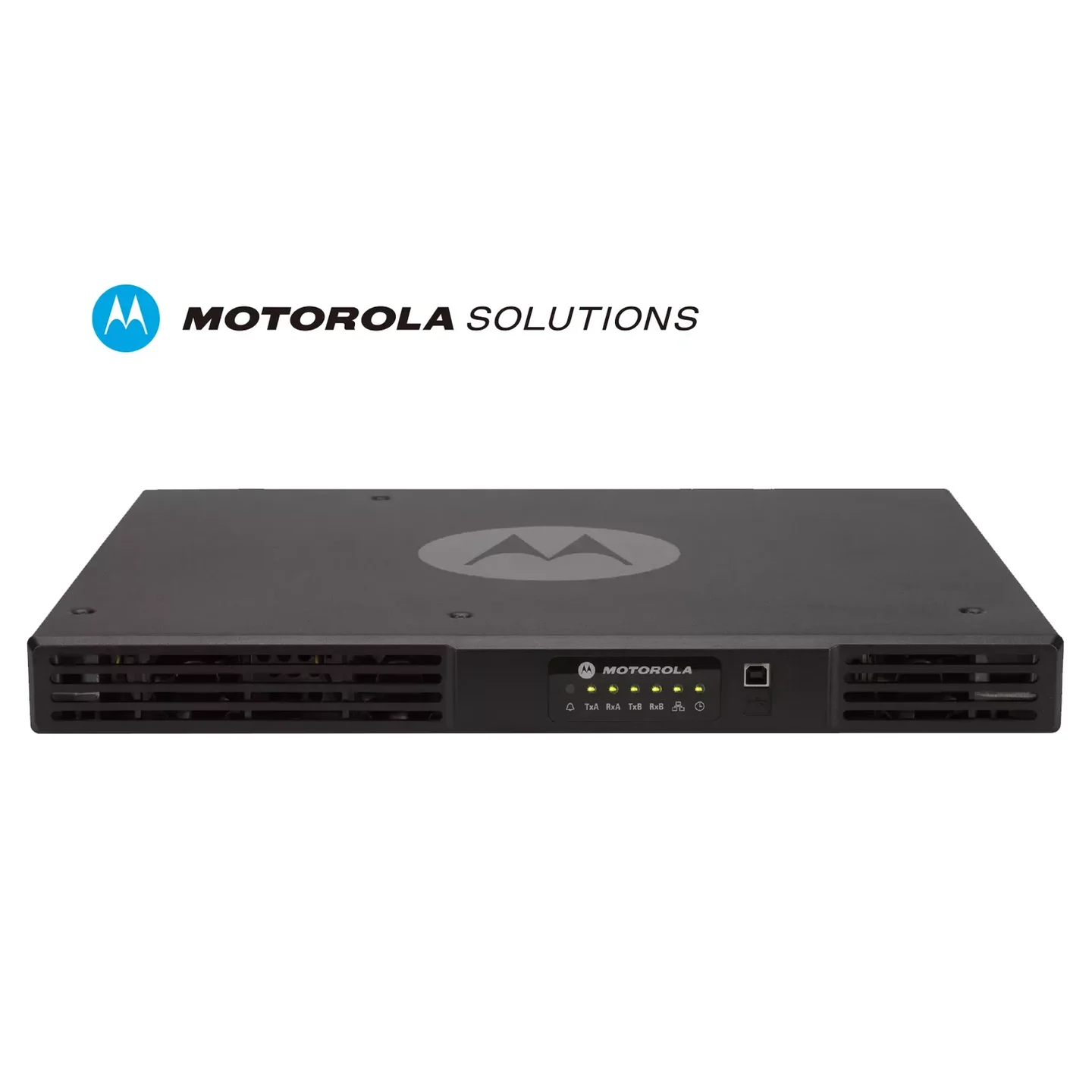
Comparing equipment
Check the VHF or UHF band, installation conditions and continuous-duty requirements.
| Model | Power and installation |
|---|---|
| SLR 5300 | Available in 1–25 W and 1–50 W versions |
| SLR 8000 | Up to 100 W transmitter output |
| SLR 1000 | Compact, lower-power unit suitable for outdoor installation |